


Olympic Track Cycling Guide: Your Roadmap for 2026
Discover the ultimate Olympic track cycling guide for 2026 covering events, rules, top athletes, tech advances, and how to watch or get involved for expert insights.
The world is gearing up for the thrill of the 2026 Olympic track cycling events, where speed, strategy, and sheer athleticism captivate millions. Fans across continents eagerly anticipate the drama that unfolds on the velodrome, making it one of the most watched spectacles at the Games.
This comprehensive guide is your essential roadmap to olympic track cycling in 2026. Whether you are a newcomer or a seasoned enthusiast, you will discover everything you need to follow the action and understand the nuances of the sport.
Inside, you will find clear explanations of event formats, insights into star athletes, a look at cutting-edge training and technology, and tips for watching or even getting involved yourself. Each section is designed to deepen your appreciation and knowledge.
Ready to become an expert fan? Dive in and unlock the excitement that only olympic track cycling can deliver.
Understanding Olympic Track Cycling: Events & Rules
Olympic track cycling captivates fans with its speed, tactics, and intense competition. As a cornerstone of the Summer Games, olympic track cycling features a variety of events that test riders’ strength, strategy, and teamwork.
Major Olympic Track Cycling Events & Formats
| Event | Format Description |
|---|---|
| Sprint | Head-to-head races, three laps |
| Keirin | Paced start, sprint finish, multiple riders |
| Team Pursuit | Teams of four, timed over 4 km |
| Omnium | Multi-race points competition |
| Madison | Two-rider relay, sprints every 10 laps |
| Team Sprint | Teams race against the clock, three riders (men), two riders (women) |
For a detailed overview of event rules and athlete eligibility, refer to the USA Cycling's rulebook and policies.
The Velodrome: Heart of Olympic Track Cycling
Track cycling takes place on an oval velodrome with steeply banked turns. Olympic velodromes are typically 250 meters long, surfaced with wood, and designed for maximum speed and safety.
Qualification, Changes, and Records
Athletes qualify for olympic track cycling based on points earned at world championships and international events. The process rewards consistent high performance and world rankings. For Paris 2024, no major event changes were introduced, but minor rule adjustments and updates to qualification quotas are common each cycle.
- Over 20 nations compete for 12 gold medals in olympic track cycling.
- Historical records include Chris Hoy’s six gold medals and the Netherlands’ recent sprint dominance.
The 2021 Men’s Keirin final delivered one of the closest finishes in history, decided by a dramatic photo review, highlighting the sport’s unpredictability and excitement.
Star Athletes & Nations to Watch in 2026
The stage is set for a thrilling showcase of olympic track cycling in 2026. Fans can expect fierce competition, dramatic storylines, and record-breaking performances as the world's best riders return to the velodrome.
Leading Athletes and Comeback Stories
Reigning champions will defend their titles, including Harrie Lavreysen, whose sprint dominance continues to impress. On the women's side, Laura Kenny’s legacy inspires both seasoned and young athletes alike. Watch for comeback stories from former medalists overcoming adversity, and keep an eye on new faces challenging the established elite.
Dominant Nations and Rivalries
Great Britain, the Netherlands, and Australia remain at the forefront of olympic track cycling, consistently topping medal tables. The rivalry between Dutch and British riders, especially in sprint events, promises intense head-to-head battles. Nations earn their spots through a rigorous qualification process, with details outlined in the UCI's 2028 Olympic cycling qualification systems, which shapes the competitive field and fuels national pride.
| Nation | Notable Athletes | Medal Trends |
|---|---|---|
| Great Britain | Laura Kenny, Jason Kenny | Sprint, Endurance |
| Netherlands | Harrie Lavreysen | Sprint Dominance |
| Australia | Matthew Glaetzer | Pursuit, Sprint |
New Talent and Diversity
The 2026 olympic track cycling roster will feature rising stars from emerging programs, bringing fresh energy to the sport. Gender parity continues to improve, with more balanced events and greater representation. Expect to see increased diversity as more nations invest in youth development, ensuring that the future of track cycling is brighter and more inclusive than ever.
The Science of Training: How Olympic Cyclists Prepare
Elite preparation for olympic track cycling is a blend of scientific planning and precise execution. Athletes and coaches leverage structured cycles, data-driven insights, and cutting-edge technology to reach peak performance when it matters most.
Periodization & Training Cycles
Olympic track cycling demands an annual training plan built on periodization. Cyclists follow cycles divided into phases for endurance, speed, and recovery, ensuring they peak for the Games. Early in the year, the focus is on building aerobic base and strength. As competition nears, athletes shift to speed work and race simulations. Altitude camps are common for boosting red blood cell count. Team GB, for example, is known for its meticulous tapering, reducing training load just before major events to maximize freshness and explosive power.
Data, Technology, & Analytics in Track Cycling
Modern olympic track cycling relies on advanced tools like power meters, heart rate monitors, and biomechanical sensors. These devices collect real-time data, allowing coaches and sports scientists to tailor workouts and monitor fatigue. AI and machine learning are increasingly used to analyze performance trends and predict optimal training loads. Collaborative efforts ensure every detail, from gear selection to pedaling efficiency, is refined. During training sessions, instant feedback helps athletes make immediate adjustments, leading to measurable gains.
How AI-Powered Analytics Like Factors Training Enhance Olympic Preparation
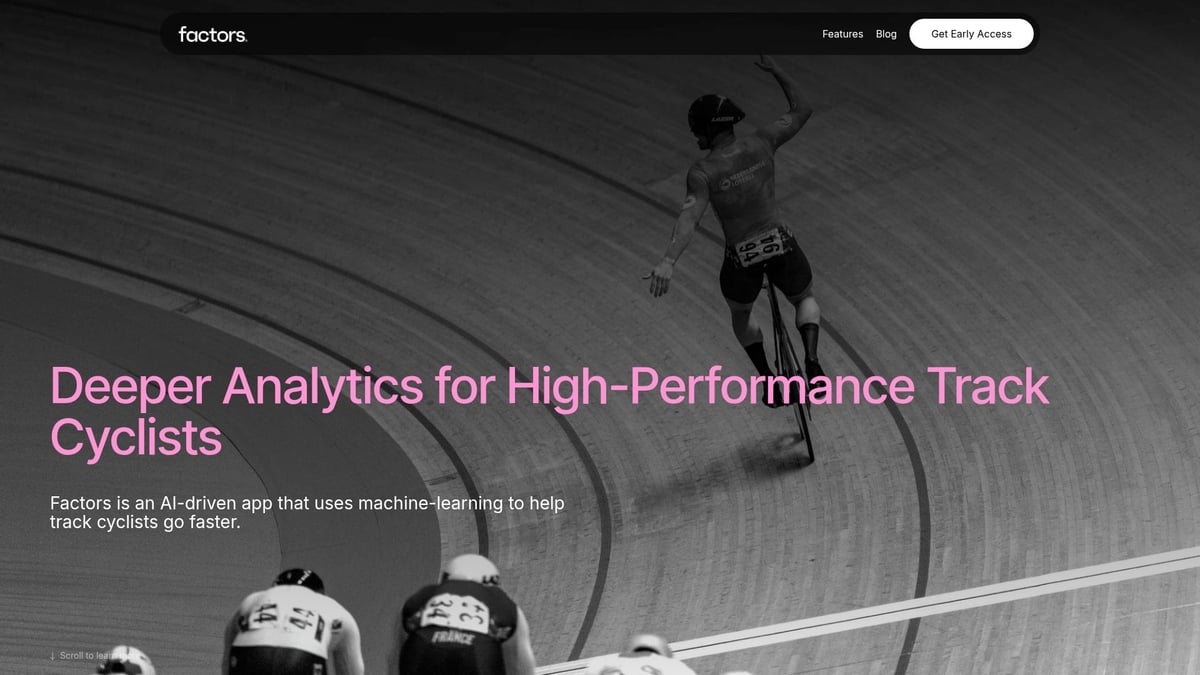
AI-driven platforms such as Factors Training are transforming olympic track cycling preparation. These apps aggregate data from multiple sources, uncover hidden trends, and offer personalized strategies. Developed with input from world and Olympic champions, AI-powered cycling analytics provide actionable, sport-specific insights. Integration with popular devices streamlines data sharing for both coaches and athletes. By optimizing training loads and identifying marginal gains, these tools help cyclists arrive in peak condition for Olympic competition.
Equipment & Technology: The Edge in Olympic Track Cycling
Cutting-edge equipment is fundamental to olympic track cycling, where every millisecond counts. The pursuit of speed has driven dramatic advances, transforming both bikes and athlete gear for maximum performance.
Modern track bikes use ultra-light, stiff carbon fiber frames that offer outstanding power transfer. Designers obsess over aerodynamics, refining tube shapes and joints to reduce drag. Weight is minimized without sacrificing strength, giving riders a crucial edge in explosive events.
Wheels and tires are engineered for optimal grip and rolling resistance. Deep-section carbon wheels slice through the air, while tire compounds and widths are matched to specific race strategies. Gear ratios are meticulously selected, allowing riders to balance acceleration and top speed based on event requirements.
Rider apparel has also evolved. Skinsuits feature seamless, textured fabrics that smooth airflow. Helmets and shoes are sculpted for aerodynamic efficiency, with wind tunnel testing and computational modeling guiding every detail. In Tokyo 2021, the debut of new aerodynamic handlebars showcased how small changes can yield noticeable gains.
British Cycling’s “marginal gains” philosophy illustrates the power of incremental improvements across equipment, preparation, and technique. The table below highlights how these enhancements contribute to faster times:
| Innovation | Estimated Time Gained (per km) |
|---|---|
| Aerodynamic frames | 0.2 seconds |
| Advanced wheelsets | 0.15 seconds |
| Skinsuits/helmets | 0.1 seconds |
Strict regulations help ensure fairness. The UCI and Olympic committee set rules on dimensions, materials, and now, price accessibility. The recent UCI's equipment price cap announcement aims to level the playing field for all nations.
In the end, olympic track cycling remains a showcase of how human power and technological innovation unite for unforgettable performances.
How to Watch, Follow, and Get Involved in 2026 Olympic Track Cycling
The 2026 olympic track cycling schedule promises thrilling sessions, with key events spread across several action-packed days. Fans worldwide can tune in through official broadcasters and streaming platforms in their region, ensuring they never miss a pedal stroke.
For those hoping to experience the excitement in person, plan ahead for velodrome tickets, best seating options, and an immersive fan atmosphere. Arriving early enhances the experience, allowing you to take in pre-race rituals and interact with fellow enthusiasts.
Stay connected online by following official Olympic and cycling federation social media accounts. These platforms offer live updates, behind-the-scenes content, and expert commentary to help you understand race strategies and statistics as they unfold.
Interested in participating yourself? Many local clubs offer introductory sessions on velodromes. Joining a community is a great way to start your journey and develop new skills.
For further learning and inspiration, consider these resources:
- Live race commentary guides and explainer articles
- The “Inside Track” Olympic documentary series
- Books and online courses on cycling tactics and history
- Track cycling training insights for deeper knowledge on elite preparation
Whether you watch from home or the stands, olympic track cycling in 2026 is more accessible than ever for fans and aspiring athletes alike.
As we look ahead to the thrilling action of Olympic track cycling in 2026, you now have a roadmap to the events, star athletes, and the science behind peak performance. If you are inspired to take your own training to the next level or want to experience firsthand how data and AI are transforming the sport, you can start exploring these insights today. With tools developed alongside world and Olympic champions, you will be equipped to unlock your full potential. Ready to dive deeper into your cycling journey? Download the Factors app and see how data driven insights can accelerate your progress.