

.png)
Track Cycling Guide: Your Roadmap to Success in 2026
Master track cycling with this comprehensive 2026 guide covering training, equipment, analytics, and strategy for peak performance and competitive success.
Track cycling is experiencing a surge in global popularity, attracting both new athletes and seasoned competitors as 2026 approaches. This guide is designed for anyone looking to excel in this high-speed, high-performance sport.
Here, you will find a clear, step-by-step roadmap to success, covering key areas such as the fundamentals of track cycling, proven training methods, essential equipment, race preparation, performance analytics, and emerging trends.
Track cycling demands unique skills and strategic thinking. Whether you aim for the podium or want to push your limits, this guide will help you achieve your goals. Ready to elevate your performance? Start your journey here.
Understanding Track Cycling: The Fundamentals
Track cycling is a high-speed, tactical sport that takes place on a purpose-built oval track, known as a velodrome. Unlike road cycling, track cycling features smooth banked turns and a controlled environment, allowing athletes to push the limits of speed and precision.
Velodromes come in both indoor and outdoor varieties, with lengths typically ranging from 250 to 333.33 meters. Surfaces are most often wood, but innovations continue to emerge, such as Arizona's aluminum-surfaced velodrome, which introduces new dynamics to the sport.
Below is a summary of the main track cycling disciplines:
DisciplineDescriptionSprintShort, explosive races focusing on speedPursuitTimed race against the clock or another riderKeirinPaced start then a sprint finishOmniumMulti-event competition testing versatilityMadisonTeam relay with hand slingsTime TrialSolo effort against the clock
Major events, like the Olympics and World Championships, feature these disciplines and follow strict rules for safety and fairness. Races can be individual or team-based, with formats varying from timed laps to elimination heats. In 2023, over 40 nations competed in multiple track cycling events, reflecting its global reach.
Essential terminology includes:
Aerodynamics play a vital role, as riders can exceed 70 km/h in sprints on a standard 250m track. Mastering bike handling and positioning is crucial for gaining an edge in competition.
Understanding these fundamentals is the first step toward excelling in track cycling, setting a strong foundation for advanced training and race strategies.
Building a Winning Training Program
Creating a winning training program is essential for anyone seeking peak performance in track cycling. Success relies on structured planning, targeted workouts, and attention to every aspect of preparation.
Periodization and Goal Setting
A well-designed track cycling program starts with periodization. This means dividing training into macro, meso, and micro cycles, each with specific objectives. Setting realistic, measurable goals for 2026 competitions is crucial. Olympic medalists often plan years ahead, using detailed cycles to peak at the right moment. For a deeper dive into building these cycles, see this guide on periodized training for cyclists.
On-Track vs. Off-Track Training
Balancing on-track sessions with off-track conditioning is vital. Track-specific workouts include flying laps and standing starts, while off-track training focuses on gym work, plyometrics, and endurance. Strength, power, and speed development all contribute to overall performance. Both types of training must be integrated for well-rounded progress.
Recovery and Injury Prevention
Recovery is as important as training itself. Prioritize rest, sleep, and active recovery to avoid overtraining. Injury prevention is critical, as overuse injuries account for 60% of track cycling complaints, according to British Cycling. Incorporate stretching, mobility exercises, and regular health checks into your routine.
Nutrition and Hydration Strategies
Optimal nutrition and hydration strategies can make a significant difference in track cycling performance. Tailor your nutrition plan to each training and competition phase. Elite cyclists use carb-loading and precise hydration protocols before races. Focusing on fueling and recovery gives athletes a competitive edge and supports long-term progression.
Essential Equipment and Technology for Success
Success in track cycling hinges on more than just athletic ability. The right equipment and technology can transform performance, offering advantages in speed, efficiency, and safety. Every component, from the bike frame to wearable tech, plays a critical role.
Modern Track Bike Components
A modern track cycling bike is designed for maximum speed and rigidity. Key elements include a lightweight frame, often made from carbon fiber, single fixed gear, deep-section wheels, and high-pressure tires. Carbon fiber frames, for example, reduce overall bike weight by up to 20 percent compared to aluminum, allowing for faster accelerations and improved handling.
MaterialWeight ReductionStiffnessCostCarbon FiberUp to 20%HighHigherAluminumBaselineModerateModerate
Safety Gear and Rider Protection
Safety is paramount in track cycling. Riders wear certified helmets, aerodynamic skinsuits, stiff-soled shoes, and specialized gloves for protection and comfort. Proper fit ensures both safety and aerodynamic efficiency.
Technology and Innovation
Advancements in technology are reshaping track cycling. Electronic timing systems, power meters, and telemetry devices provide precise performance data. Wearable tech now delivers real-time feedback, helping cyclists optimize every session.
UCI regulations govern equipment weight and dimensions, with updates set for 2026. Staying informed about these UCI's 2026 equipment regulations is essential to ensure compliance and fair competition.
Maintenance Essentials
Consistent maintenance keeps equipment in top condition. Regularly inspect the drivetrain, monitor tire pressure, and check bearings to prevent mechanical issues on race day.
In summary, mastering the technical aspects of track cycling equipment and technology gives athletes a competitive edge. Investing in the right gear, staying current with trends, and prioritizing maintenance are all vital steps toward success.
Performance Analytics: Leveraging Data for Competitive Edge
Unlocking peak performance in track cycling increasingly depends on sophisticated data analytics. Athletes and coaches now harness cutting-edge metrics to refine every aspect of training and racing.
The Role of Analytics in Modern Track Cycling
Modern track cycling thrives on data-driven decisions. By tracking power output, cadence, heart rate variability, and lap splits, athletes gain precise feedback on their efforts. AI and machine learning tools now reveal patterns invisible to the naked eye, allowing cyclists to pinpoint strengths and address weaknesses. This analytical approach has redefined preparation, making marginal gains more accessible than ever.
Factors: AI-Powered Analytics for Track Cyclists
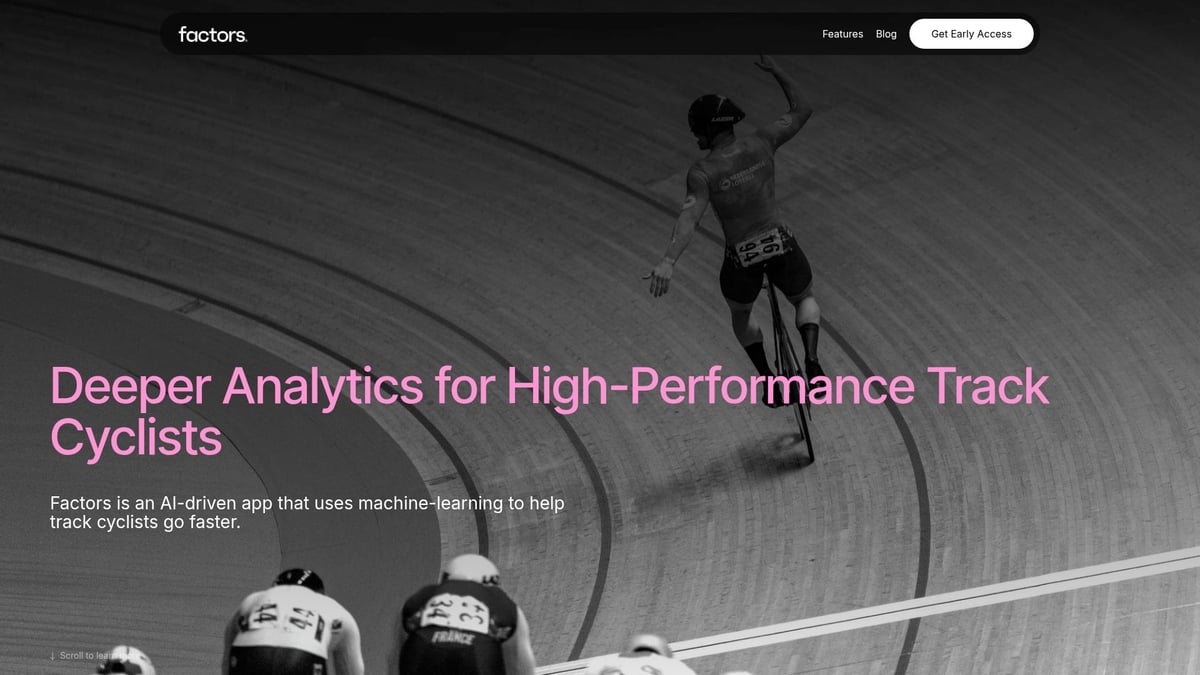
Platforms like AI-powered training analytics are transforming track cycling. Factors aggregates data from devices such as Garmin and TrainingPeaks, offering actionable insights tailored to the sport. Developed with world champions, it visualizes links between sleep, nutrition, and on-track performance. Elite cyclists, including Harrie Lavreysen, rely on these holistic, AI-driven recommendations to maintain a competitive edge.
Applying Analytics to Your Training
Effective use of analytics in track cycling means translating numbers into action. By interpreting data trends, athletes can adjust taper periods, recovery routines, or nutrition to optimize results. For example, monitoring heart rate variability helps fine-tune training intensity. Studies show cyclists using advanced analytics report a 10-15% improvement in performance throughout a season.
Race Preparation and Mental Strategies
Peak performance in track cycling is built on meticulous race preparation and strong mental strategies. Every detail, from warm-up to mindset, can make the difference between victory and disappointment.
Effective pre-race routines include:
Elite track cyclists use visualization and focus techniques to sharpen concentration. By mentally running through each lap or sprint, riders enhance their confidence and response times. Managing nerves is crucial, especially in high-stakes competitions. Deep breathing and positive self-talk help maintain composure under pressure.
Tactical planning is another essential aspect. Studying opponents, refining positioning, and perfecting pacing strategies all contribute to success. For example, finalists at the 2024 Olympics used detailed race simulations to adapt their tactics and gain a competitive edge.
Nutrition and hydration protocols should be tailored for the hours before an event. Carbohydrate-rich meals and careful fluid intake ensure sustained energy and focus throughout the race.
After the event, post-race analysis is vital for continuous improvement. Reviewing performance data and mental strategies helps identify strengths and areas for growth. According to a UCI survey, athletes with structured mental prep routines are 25 percent more likely to reach finals. For additional guidance on preparation and analytics support, visit Support for track cyclists.
Future Trends: Track Cycling in 2026 and Beyond
The future of track cycling is set to be shaped by an exciting wave of innovation and global momentum. As we look ahead to 2026, athletes and coaches will see rapid shifts in technology, training, and competition structure.
Smart velodromes equipped with advanced timing systems and integrated sensors will offer real-time insights into every rider's performance. Equipment will continue to evolve, with lightweight composites and aerodynamic materials allowing for even faster, safer rides. Wearable tech will become standard, helping cyclists and teams monitor biometrics and optimize each lap.
AI and virtual reality will redefine how training is approached. Cyclists will use immersive simulations for tactical preparation, while AI-driven analytics platforms will provide actionable feedback. For those eager to stay ahead, early access to Factors platform will offer a glimpse into the next generation of performance analytics, designed specifically for track cycling.
Sustainability will also take center stage. Eco-conscious design in velodromes and equipment manufacturing will become a priority as the sport grows. The surge in youth participation at Paris 2024 signals a broader, more diverse field of talent, promising new faces and stories in the coming years.
Regulatory changes are expected as the UCI adapts to emerging technologies and athlete needs. Data privacy and ethical management of analytics will become critical topics as more information is collected. Looking forward, real-time performance feedback during races could become the norm, helping riders make split-second decisions and pushing the boundaries of what is possible in track cycling.
As you set your sights on peak performance in track cycling for 2026, having the right tools can make all the difference. We’ve explored how AI powered analytics and deep insights can turn your training data into real results, just like the pros. If you’re ready to take the next step and see how data driven strategies can elevate your own performance, you don’t have to do it alone. Start unlocking your full potential—Download the Factors app and let science guide your journey to the podium.