Factors started with a problem its founder could only fix once it was too late.
Our founder started riding at 3 and racing at 7. At 18, two days before his first World Cup race, he was cut. He never made the start line.
He knew he had overtrained. That was never the mystery. He only knew it once the damage was done, with no way of catching the pattern while it was still forming.
Then it happened a second time. The same habits, the same patterns, the same symptoms surfacing quietly at the edges, and he still didn't have the self-awareness to read them early enough to change course. Overtraining and burnout drove him to quit cycling completely. The data was never the problem. Knowing himself well enough to act on it was.
He became a CPA, built an accounting firm, and sold it. Then he put the proceeds into the tool he wished he'd had at 18: one place where training, sleep, stress, fuelling and how an athlete actually feels sit together and mean something.
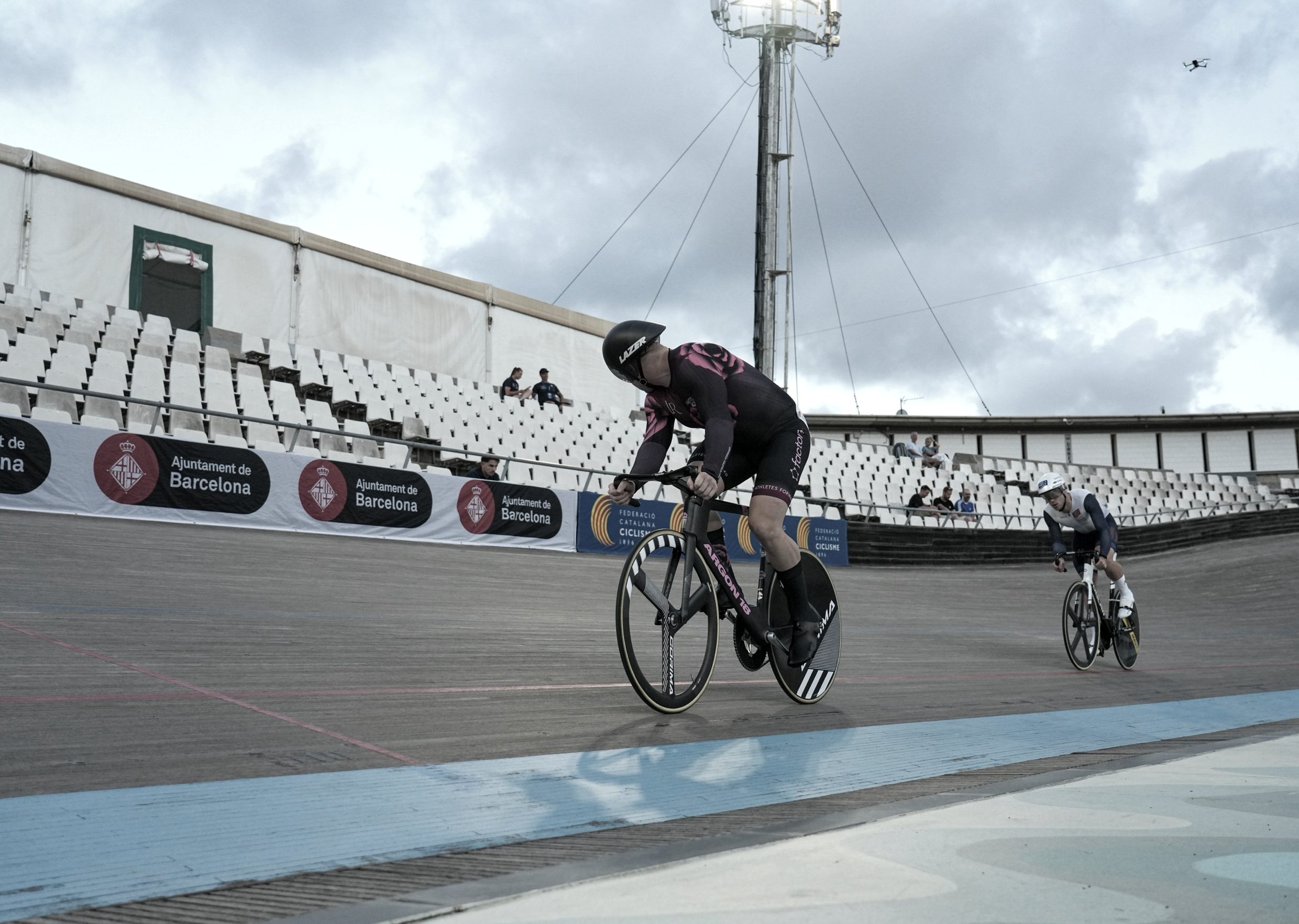
In 2024, at nearly 30, he got back on the bike. At 32 he trains inside Canada's sprint pipeline with some of the best in the world, and he builds Factors from the same seat.
Building the tool while training inside the national development pathway makes the gaps obvious.
When an athlete's history follows them, it shouldn't just be their power files and TSS, which says almost nothing about who they are. A coach should inherit the whole picture: performance on the bike and the habits off it, how this athlete responds to load, what they do when a block gets hard, what their life looks like in a heavy week. The existing traits of the rider in front of them, not just the watts.
Every stage needs to run on one platform, with coaches and federations connected in at whatever level they're needed.
To give athletes, coaches, clubs and national federations one reliable, sport-specific system of record: a permanent, running account of an athlete's development, kept the same way at every stage of the pathway. Track cycling first, with BMX and endurance cycling next.
Accounting works because every business keeps the same books. Any accountant can pick them up and read them. Sport has never had that. A rider's history arrives as power files and somebody's memory, in whatever shape the last coach left it.
When a rider's whole history travels with them, federations select from a deeper pool, coaches stop rebuilding context from scratch, and a 12-year-old who has just learned to ride the black line can see where the path actually goes.
Give an athlete the tools, the opportunity and the inspiration to chase the dream. Teach them how they respond to their own training, and how everything outside of it fits into the picture.
Cycling is where we're proving it works. Every Olympic sport deserves the same thing.
Performance data and the research behind it have sat behind institutional budgets and closed doors for a long time. We put both in front of the athlete who needs them, not only the ones with a federation behind them. It's why our performance research database is free to search.
Coach Kilo reads the patterns and synthesizes the data so your human coach doesn't spend their evening doing it. Coaching gets better when the time goes into the conversation instead of the spreadsheet. We're here to hand that time back, not to take the job.
Sport science was built largely on male athletes, and we're not carrying that forward: our research tells you who was actually studied. We build for every athlete, in every body. A rider in a country with no sport budget needs this as much as one with an institute behind them, so we price it to stay reachable. Global competition only means something when the whole globe can compete.